
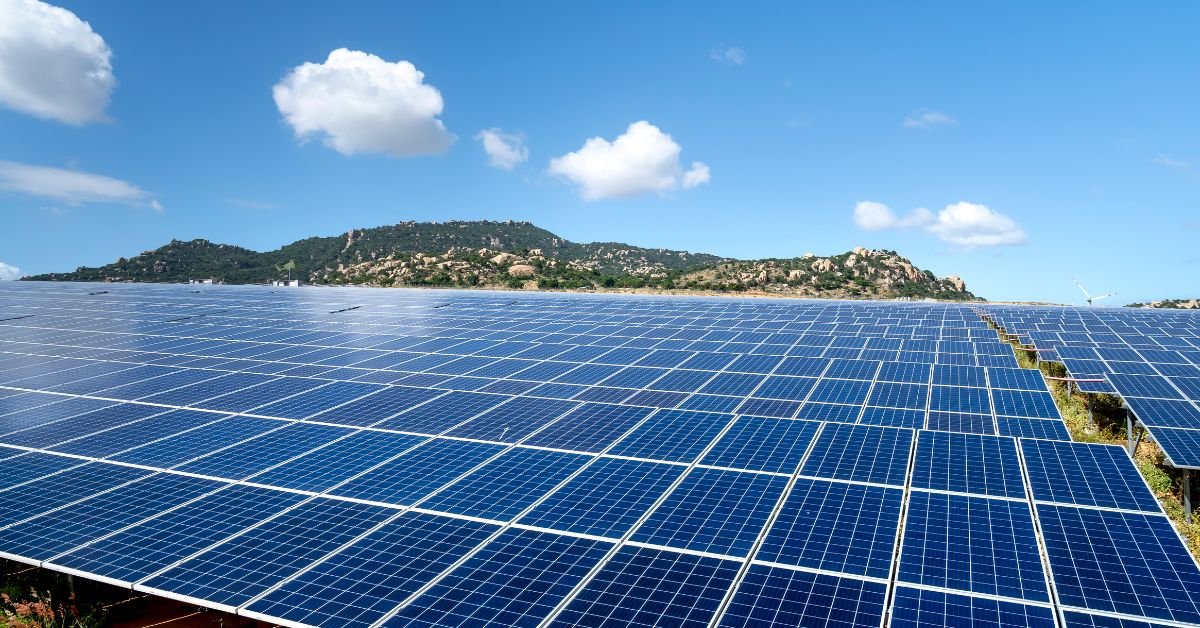
When planning a rooftop solar system, most people focus on solar panels — but the inverter is the real heart of your setup. It converts the direct current (DC) produced by panels into alternating current (AC) that powers your home appliances.
Choosing the right solar inverter can make a big difference in performance, energy savings, and system life.
In this complete guide, Orange Energy explains how to choose the best solar inverter for home use in India, what types are available, what factors matter, and how to ensure long-term reliability in 2025.
What Is a Solar Inverter and Why It’s So Important
A solar inverter acts as the “brain” of your solar system. It doesn’t just convert DC to AC — it also:
- Monitors energy generation
- Tracks system performance
- Manages grid synchronization and safety
- Controls battery charging in hybrid systems
A low-quality inverter can reduce efficiency by 10–15% and cause frequent downtime. That’s why selecting the right one is critical for achieving the expected ROI from your solar installation.
Types of Solar Inverters for Home Use
Different inverter types serve different purposes. Here’s what you need to know before buying one:
On-Grid (Grid-Tied) Inverters
- Most common for residential rooftop systems in cities.
- Work only when grid power is available.
- Send excess power back to the grid under net-metering.
- Do not require batteries, so they are more affordable.
- Best for areas with stable electricity supply.
Pros:
✅ Highest efficiency (up to 98%)
✅ Low maintenance
✅ Lower upfront cost
Cons:
❌ Won’t work during a power outage (for safety reasons)
Off-Grid Inverters
- Designed for areas with frequent power cuts or no grid connection.
- Store excess power in batteries for later use.
- Operate independently from the utility grid.
Pros:
✅ Works during power failures
✅ Ideal for rural or remote areas
Cons:
❌ Requires batteries (increases cost)
❌ Slightly lower efficiency than grid-tied
Hybrid Inverters
- A combination of on-grid and off-grid functionality.
- Can feed power to the grid and charge batteries simultaneously.
- Automatically switch to battery backup during outages.
Pros:
✅ Full energy independence
✅ Continuous power supply
✅ Future-ready setup (for EV charging and energy storage)
Cons:
❌ Higher upfront cost
❌ Slightly complex installation
At Orange Energy, we recommend hybrid inverters for homeowners who want complete flexibility — both grid connectivity and backup power.
Key Factors to Consider When Choosing a Solar Inverter
Selecting an inverter isn’t just about brand or price. You need to evaluate it technically and practically.
System Type and Configuration
Your inverter must match your solar system type (on-grid, off-grid, or hybrid). An on-grid inverter won’t work for an off-grid system, and vice versa.
Always confirm compatibility with your installer.
Capacity and Power Rating
The inverter’s capacity should match (or slightly exceed) your solar panel output.
For example:
- If you install a 5 kW solar system, choose an inverter between 5 kW and 5.5 kW capacity.
Undersized inverters can cause power clipping, while oversized inverters increase cost unnecessarily.
Efficiency
Inverter efficiency determines how much of the DC power gets converted into usable AC.
Look for models with at least 95–98% efficiency.
Higher efficiency = more energy output and faster payback.
Brand Reputation and Warranty
Always choose reputed manufacturers offering:
- Minimum 5-year warranty (10+ years preferred)
- Local service centers and spare part availability
- Proven performance in Indian conditions (heat, dust, voltage fluctuation)
Popular brands trusted in India include:
SMA, Sungrow, FIMER, Growatt, Luminous, Microtek, Fronius, Delta, and others.
MPPT vs PWM Technology
Modern inverters use MPPT (Maximum Power Point Tracking) to extract the highest possible energy from solar panels.
Avoid older PWM (Pulse Width Modulation) models — they’re cheaper but waste significant energy.
Monitoring and Smart Features
A good inverter should allow you to:
- Track generation in real-time through a mobile app or web portal.
- Receive alerts for errors or faults.
- Access performance reports.
Smart inverters offered by Orange Energy come with Wi-Fi monitoring and advanced data analytics for energy tracking.
Battery Compatibility (for hybrid/off-grid systems)
If you plan to add batteries later, ensure your inverter supports Li-ion or lead-acid batteries.
A future-ready inverter gives you flexibility without extra cost later.
Safety & Protections
Essential protections include:
- Surge protection
- Short circuit protection
- Overload protection
- Reverse polarity and over-temperature safety
These features ensure long-term stability and protect both your home and your investment.
Common Mistakes to Avoid When Buying an Inverter
- Buying the cheapest model:
Low-cost inverters often compromise on safety and efficiency. - Ignoring compatibility:
Always ensure your inverter matches the voltage and power rating of your solar array. - Skipping warranty check:
Without a valid warranty, you’ll bear high repair or replacement costs later. - No monitoring system:
You can’t manage what you can’t measure. Real-time monitoring helps detect issues early. - Not considering future upgrades:
If you plan to expand your system or add EV charging, a hybrid inverter is a better long-term choice.
Top Features of a Good Solar Inverter
When comparing models, look for these essential features:
- MPPT technology for high efficiency
- Wi-Fi/GSM monitoring
- Wide input voltage range
- Noise-free operation
- LCD/LED display for performance stats
- IP65 rating for dust and water protection
- Auto restart after power failures
- Low start-up voltage (helps during low sunlight hours)
These features make a big difference in both energy generation and daily convenience.
How to Calculate the Right Inverter Size for Your Home
You can estimate inverter size using this simple method:
Inverter Capacity (kW) = Solar Panel Capacity (kW) × 0.9 to 1.1
For example:
- For a 3 kW system → inverter range 2.7 kW to 3.3 kW
- For a 5 kW system → inverter range 4.5 kW to 5.5 kW
If your roof is shaded or you expect partial load, slightly oversizing the inverter ensures consistent performance.
How Much Does a Solar Inverter Cost in India 2025?
Approximate price range (as of 2025):
| Inverter Type | Capacity | Average Cost |
|---|---|---|
| On-Grid | 3 kW | ₹ 35,000 – ₹ 50,000 |
| On-Grid | 5 kW | ₹ 50,000 – ₹ 70,000 |
| Off-Grid | 3 kW | ₹ 40,000 – ₹ 60,000 |
| Hybrid | 5 kW | ₹ 75,000 – ₹ 1,10,000 |
Note: Prices vary based on brand, technology, and warranty duration.
At Orange Energy, we offer high-efficiency inverters with comprehensive after-sales support and service across India.
Installation & Maintenance Tips
To ensure your inverter works efficiently for decades:
- Always install it in a shaded, well-ventilated area.
- Keep it away from moisture, direct sunlight, and dust.
- Check performance data once a week.
- Clean air vents periodically.
- Schedule annual inspection by certified technicians.
Orange Energy provides free post-installation training so you know how to monitor and maintain your inverter effectively.
