
India is experiencing a massive shift toward renewable energy, and rooftop solar systems are at the heart of this green revolution. From reducing electricity bills to gaining energy independence, residential solar power has become one of the smartest investments a homeowner can make in 2025.
At Orange Energy, we’ve installed thousands of rooftop solar systems across India — and we’ve seen firsthand how much difference they make. In this article, we’ll cover all the key benefits of residential rooftop solar systems in India, including cost savings, environmental impact, government incentives, and long-term value.
What Is a Residential Rooftop Solar System?
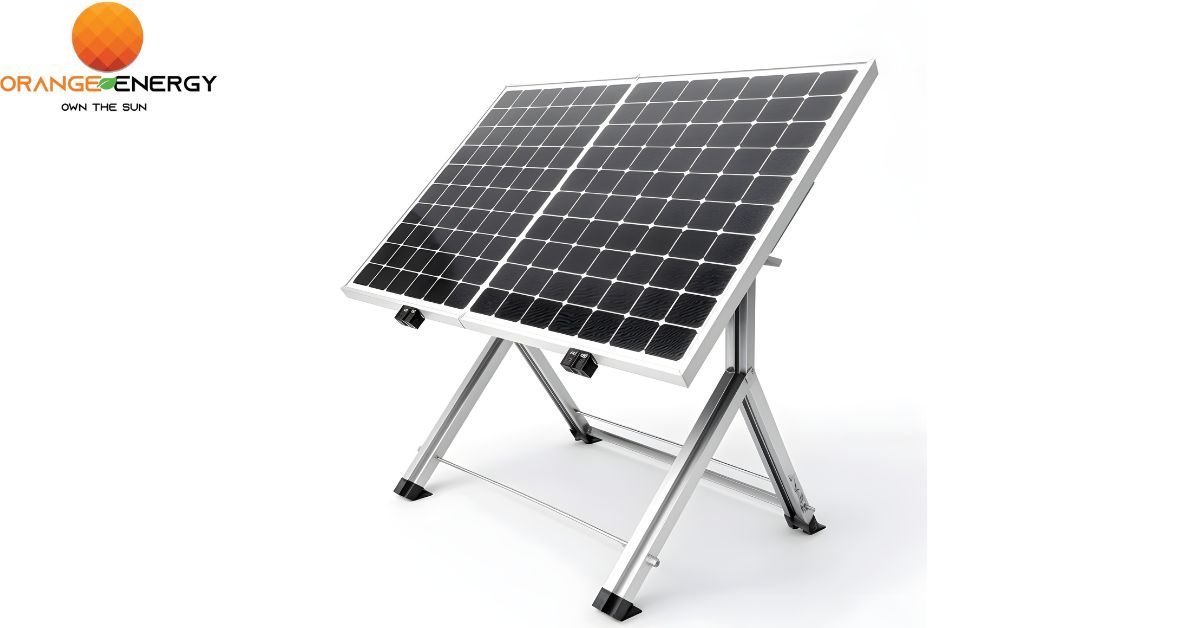
A residential rooftop solar system converts sunlight into electricity using photovoltaic (PV) panels mounted on your home’s rooftop. The system typically includes:
- Solar Panels: Capture sunlight and convert it into direct current (DC) electricity.
- Inverter: Converts DC into usable alternating current (AC).
- Mounting Structure: Supports and angles the panels for maximum sunlight exposure.
- Net Meter: Measures both electricity generated and consumed, enabling grid interaction.
- Battery (optional): Stores excess power for backup during outages.
Depending on your needs, you can choose between on-grid, off-grid, or hybrid systems. For most urban homes, an on-grid system is ideal — it allows you to send unused power back to the grid and earn credits.
Key Benefits of a Residential Rooftop Solar System in India
Major Savings on Electricity Bills
This is the biggest motivator for most homeowners. A well-sized solar system can cut your electricity bills by 80–90%.
Let’s say your average monthly bill is ₹3,000. After switching to solar, it can drop to under ₹500 — saving you ₹30,000–₹35,000 per year. Over 25 years, those savings easily cross ₹7–8 lakh.
Even better: with net-metering, any surplus power you export to the grid reduces your bill further. In some states, households even earn credits or payouts for excess generation.
Fast Payback and High ROI
Unlike traditional appliances, a solar system is a one-time investment that generates returns for decades.
- Typical payback period: 5–7 years
- System life: 25+ years
- ROI: 15–25% annually
In simple terms, once you recover the cost in a few years, you enjoy almost free electricity for the rest of the system’s life.
At Orange Energy, our clients usually achieve payback in less than six years, thanks to efficient systems and state subsidies.
Increased Property Value
A solar-powered home is more attractive to buyers. Studies show that houses with rooftop solar systems sell faster and at higher prices.
Why? Because buyers see:
- Guaranteed lower electricity bills
- Modern, energy-efficient living
- A commitment to sustainability
In metro cities like Delhi, Pune, and Bangalore, rooftop solar can increase property value by 3–5% — making it an intelligent long-term investment.
Protection from Rising Power Costs
Electricity tariffs in India rise every year by 3–5%. In some states, the increase is even higher due to fuel shortages and demand pressure.
By installing a rooftop solar system, you lock in your electricity rate for the next 25 years. That means:
- You’re no longer at the mercy of rising grid tariffs.
- Your energy cost stays stable and predictable.
- You can plan long-term household budgets more easily.
Low Maintenance and High Reliability
Solar systems are low-maintenance technology.
- No moving parts
- Minimal wear and tear
- Occasional cleaning and inspections
All you need to do is clean the panels once or twice a month and check inverter readings regularly. Orange Energy provides complete annual maintenance packages so you never have to worry about performance.
With quality installation and periodic cleaning, your solar system can run efficiently for decades.
Energy Independence
Frequent power cuts or voltage fluctuations? A hybrid solar system with batteries ensures continuous supply, even during outages.
For rural areas or semi-urban homes, solar power means freedom from unreliable grid electricity. With solar, you produce your own clean power — independent and uninterrupted.
This level of autonomy is especially valuable as electric vehicles and smart appliances become more common in Indian households.
Government Subsidies and Incentives
The Indian government actively promotes rooftop solar adoption through central and state subsidies.
As of 2025:
- Central subsidy for residential systems is up to ₹78,000 for systems up to 3 kW.
- Some states offer additional subsidies or rebates on property tax and connection fees.
- Businesses get extra benefits like accelerated depreciation.
These subsidies significantly reduce the upfront cost, improving your ROI and payback period.
At Orange Energy, we handle all subsidy documentation and approvals on your behalf — making the process seamless.
Positive Environmental Impact
Switching to solar power directly supports India’s climate goals.
Each 1 kW rooftop solar system can reduce 1.5 tons of carbon dioxide annually.
A 5 kW system offsets about 7.5 tons of CO₂ per year, equivalent to planting 350 trees annually.
That’s real, measurable change for the planet — cleaner air, lower pollution, and sustainable energy generation.
Boost to Local Economy and Jobs
Every solar installation supports local manufacturing, installation, and service jobs.
By choosing an Indian installer like Orange Energy, you’re contributing to Make in India and Atmanirbhar Bharat initiatives — helping build a strong renewable economy.
Easy Financing Options
Solar power is now affordable for almost every homeowner.
You can finance your solar installation through:
- Low-interest green loans
- No-cost EMIs from select banks
- Lease or pay-as-you-save options offered by some companies
Orange Energy provides flexible financing support, so you can start saving from day one without a heavy upfront cost.
How Residential Rooftop Solar Works in India
Understanding how solar systems operate helps you appreciate their simplicity and reliability.
- Sunlight hits the panels, generating DC electricity.
- Inverter converts DC to AC, which runs your home appliances.
- Net meter tracks power imported and exported.
- Excess power goes to the grid, earning credits under net-metering.
- Batteries (optional) store extra energy for night or power cuts.
This seamless process makes solar energy not just sustainable but also convenient for everyday living.
Ideal System Size for Indian Homes
Choosing the right capacity is crucial for optimal performance and savings.
| Home Type | Monthly Bill | Recommended System |
|---|---|---|
| 1-2 BHK Apartment | ₹1,500–₹2,500 | 2 kW |
| 3-4 BHK Home | ₹3,000–₹4,500 | 3–5 kW |
| Villa / Bungalow | ₹5,000+ | 5–10 kW |
Orange Energy offers free site assessments to determine your exact energy requirement, available rooftop area, and optimal system size.
